

By Elijah Lopez
What Defines Santa Ana’s Climate
Santa Ana is part of Southern California’s semi-arid climate zone, meaning the city experiences hot, dry summers and mild, wetter winters. During summer, especially inland, temperatures can rise above 90°F; coastal areas see more moderation thanks to sea breezes. Winters are generally mild, with overnight lows occasionally dipping near freezing, though freezing temperatures are rare.
Rainfall Patterns and Drought Risks
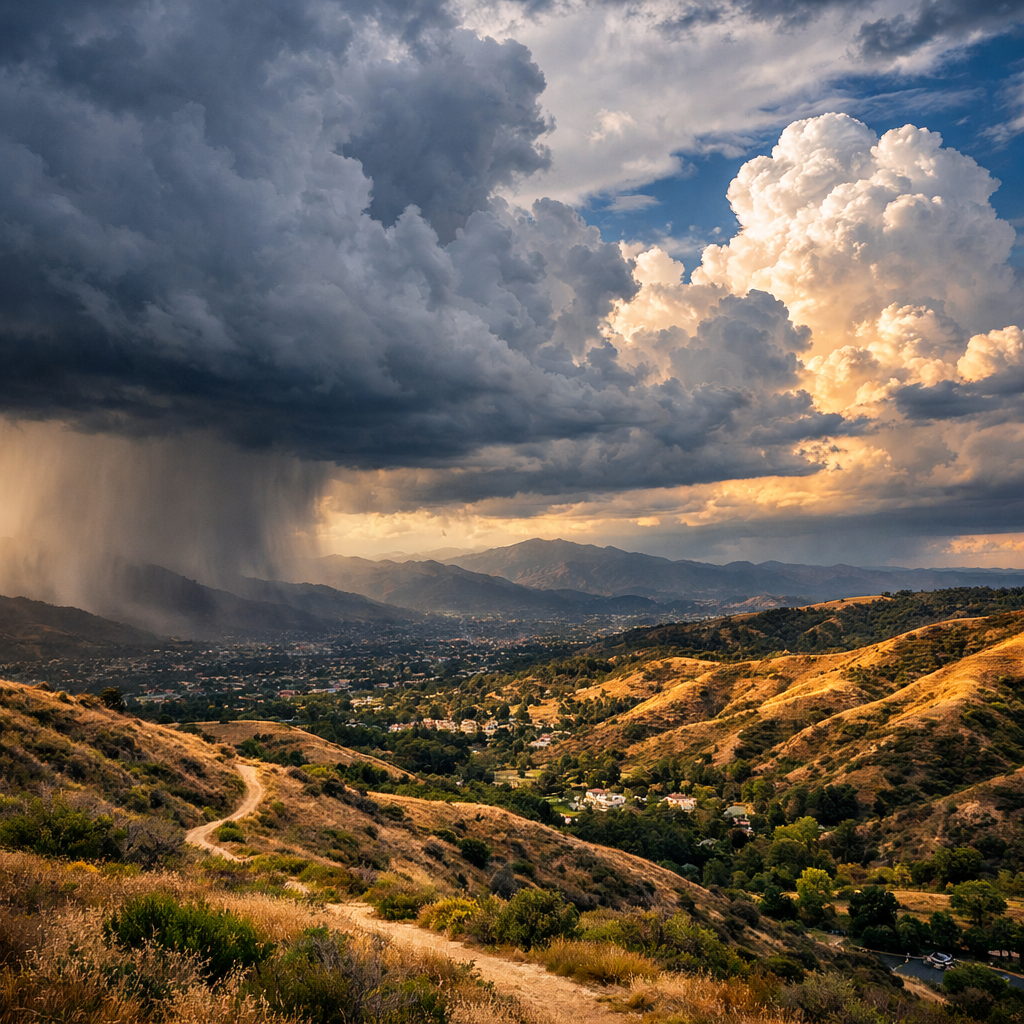
Most of the annual precipitation—roughly 12 to 15 inches—falls between November and March. Summer months remain largely dry, except for rare coastal showers or thunderstorms. The region frequently endures wide year-to-year variations in rainfall: some winters are wet and bring flooding, while others are abnormally dry or drought-prone.
Santa Ana Winds and Air Quality Effects
One of the signature environmental features here are the Santa Ana winds—strong, dry winds from the northeast that blow most often in fall and winter. They tend to elevate fire risk and degrade air quality, especially during periods of low humidity and when atmospheric inversions trap pollutants closer to the ground. Local air pollution tends to get worse during these conditions.
Environmental Implications for the Community
Water resources: Because of limited rainfall and increasing demand, every drop counts. Local water management relies on both imported water and recharge of groundwater, including captured stormwater in the Santa Ana River Watershed. Communities are encouraged to adopt drought-aware behaviors and efficient landscaping.
Flooding risks: Lower elevation areas, especially near river channels and flood control infrastructure, face flood danger when winter storms hit hard. Stormwater systems can be overwhelmed when dry months are followed by heavy rain, and urbanization worsens runoff.
Ecosystems and native vegetation: The nearby Santa Ana Mountains receive more precipitation, and their slopes play a role as natural water sources and habitat areas. Fire suppression, invasive species, and changing climate are affecting native plant communities and wildlife along those ranges.
What Residents Can Do
- Stay informed about local air quality alerts and avoid outdoor activity during strong wind episodes.
- Implement drought-friendly landscaping, such as native plants and efficient irrigation.
- Support green infrastructure—rain gardens, permeable pavement—to reduce runoff and improve flood resilience.
- Prepare for wildfire risk, especially in foothills and areas with dry brush during windy, dry periods.
Looking Ahead
Climate data indicates more frequent extremes: heavier rainfall events in winter, longer dry stretches, and hotter summer spells. While projections continue to refine how these changes will play out locally, the evolving trends make planning and preparedness more important than ever.