

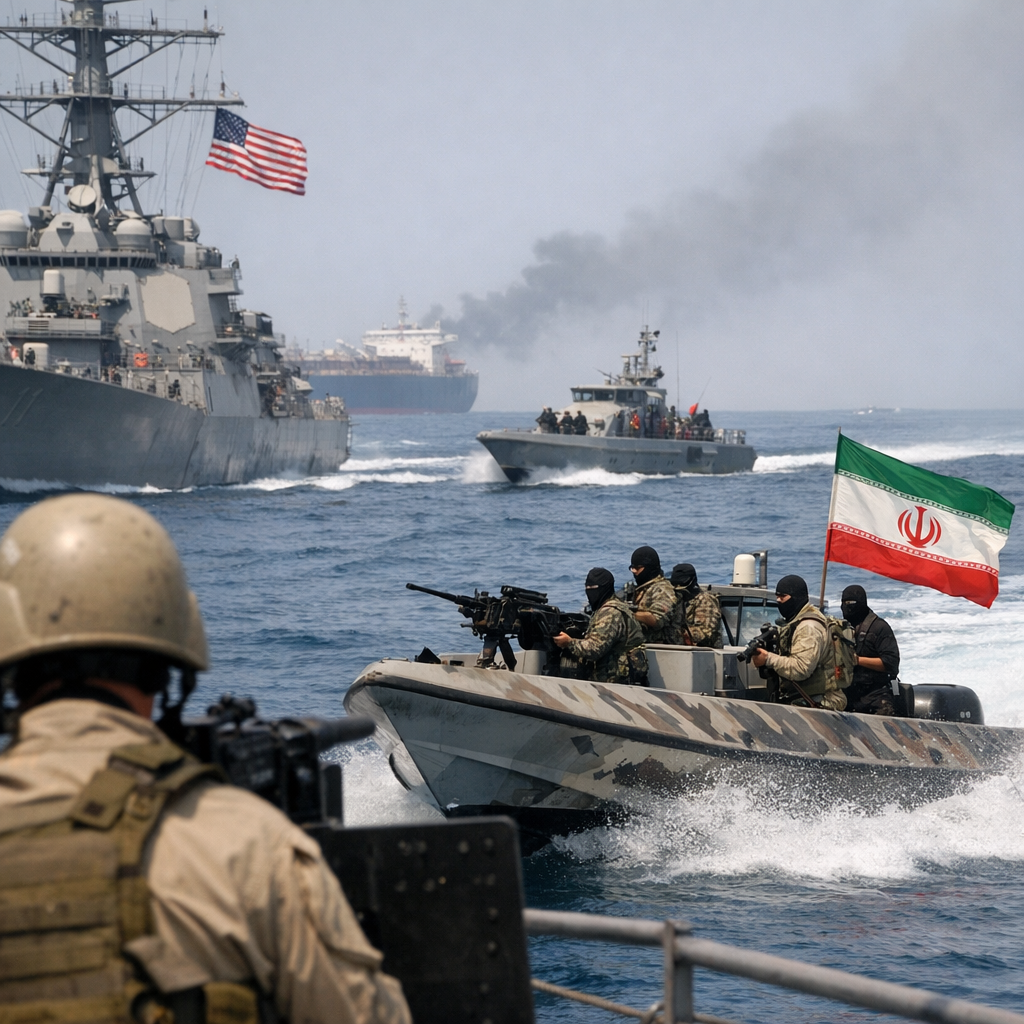
The relationship between the United States and Iran has been marked by escalating tensions, particularly in the strategic Strait of Hormuz. Recent incidents have heightened concerns about regional stability and global economic implications.
Recent Developments
In early May 2026, reports indicated that the U.S. and Iran were nearing an agreement to end hostilities. However, this progress was disrupted by a military clash over the Strait of Hormuz, marking the first such incident since a ceasefire was established in April. Analysts suggest that the U.S. aims to contain Iran’s influence, while Iran seeks to leverage its control over the strait to strengthen its negotiating position.
Global Economic Implications
The Strait of Hormuz is a critical chokepoint for global oil shipments. Any disruption in this area can lead to significant fluctuations in oil prices, affecting economies worldwide. The recent clashes have already caused market volatility, underscoring the global stakes involved.
Regional Stability Concerns
The Middle East’s stability is intricately linked to U.S.-Iran relations. Escalating tensions could exacerbate existing conflicts and hinder diplomatic efforts in the region. The international community remains watchful, hoping for a peaceful resolution to prevent further destabilization.
Conclusion
As the situation unfolds, it’s crucial to stay informed about developments in U.S.-Iran relations. The outcomes will not only impact the involved nations but also have far-reaching effects on global economic stability and regional peace.